

The Levy Question: Who Pays for Greyhound Welfare?
Greyhound racing costs money to regulate. Veterinary oversight, kennel inspections, injury treatment schemes, retirement bonds, data collection — none of it is free. The question of who pays for the welfare infrastructure that underpins British greyhound racing has been debated in Parliament, in the racing press, and in the boardrooms of Britain’s biggest bookmakers for years. The answer, as it stands, is unsatisfying: a voluntary contribution from bookmakers that is declining in real terms and that the racing industry considers inadequate.
The debate matters for tracks like Monmore Green because the funding that supports welfare programmes, prize money, and track maintenance flows from the levy system. If the funding shrinks further, the consequences will be visible in the quality of the racing product, the welfare provisions for the dogs, and ultimately in the results that punters analyse and bet on. The levy is not a distant policy question. It is the financial plumbing of the sport.
The Voluntary 0.6%: How BGRF Collects and Distributes
The British Greyhound Racing Fund is the mechanism through which bookmakers’ contributions reach the sport. Under the current voluntary arrangement, bookmakers pay approximately 0.6% of their gross profits from greyhound betting to BGRF. The fund then distributes the money to tracks and to the welfare infrastructure overseen by GBGB.
In the 2023-24 financial year, BGRF’s income was £7.3 million, a 4% decline from £7.6 million the year before. The fund’s chairman noted that the historical norm was £10-14 million, with one exceptional year exceeding £20 million. The current figure of £7.3 million is, by any historical measure, a low point — and the trajectory suggests further decline as greyhound betting turnover continues to contract.
The distribution of BGRF funds covers prize money supplements, welfare programme contributions, and operational costs. For Monmore, BGRF funding contributes to the prize pots that make graded and open racing viable, and to the welfare schemes — the Injury Recovery Scheme, the Greyhound Retirement Scheme — that ensure the sport meets the standards expected by regulators and the public. When the fund shrinks, those contributions shrink with it, and the tracks are left to make up the difference from their own commercial revenue or to reduce their spending. The trajectory from £14 million to £7.3 million over less than a decade tells a clear story: the voluntary model is not keeping pace with the sport’s needs, let alone expanding to meet the welfare ambitions set out in GBGB’s strategy documents.
The voluntary nature of the arrangement is the central problem. Bookmakers are not legally obliged to pay anything. The 0.6% rate is a commercial agreement, not a statutory requirement, and bookmakers can — and sometimes do — negotiate the rate, delay payments, or reduce contributions when their own margins are squeezed. The sport has no legal recourse if a major bookmaker decides to pay less, which makes the revenue stream inherently unstable.
The Case for a Statutory Levy: Hansard Numbers
The alternative to a voluntary contribution is a statutory levy — a legally mandated payment that bookmakers would be required to make on their greyhound betting turnover. Horse racing already benefits from a statutory levy through the Horserace Betting Levy Board, which collects a percentage of bookmaker profits and distributes them to racing and welfare. Greyhound racing has no equivalent.
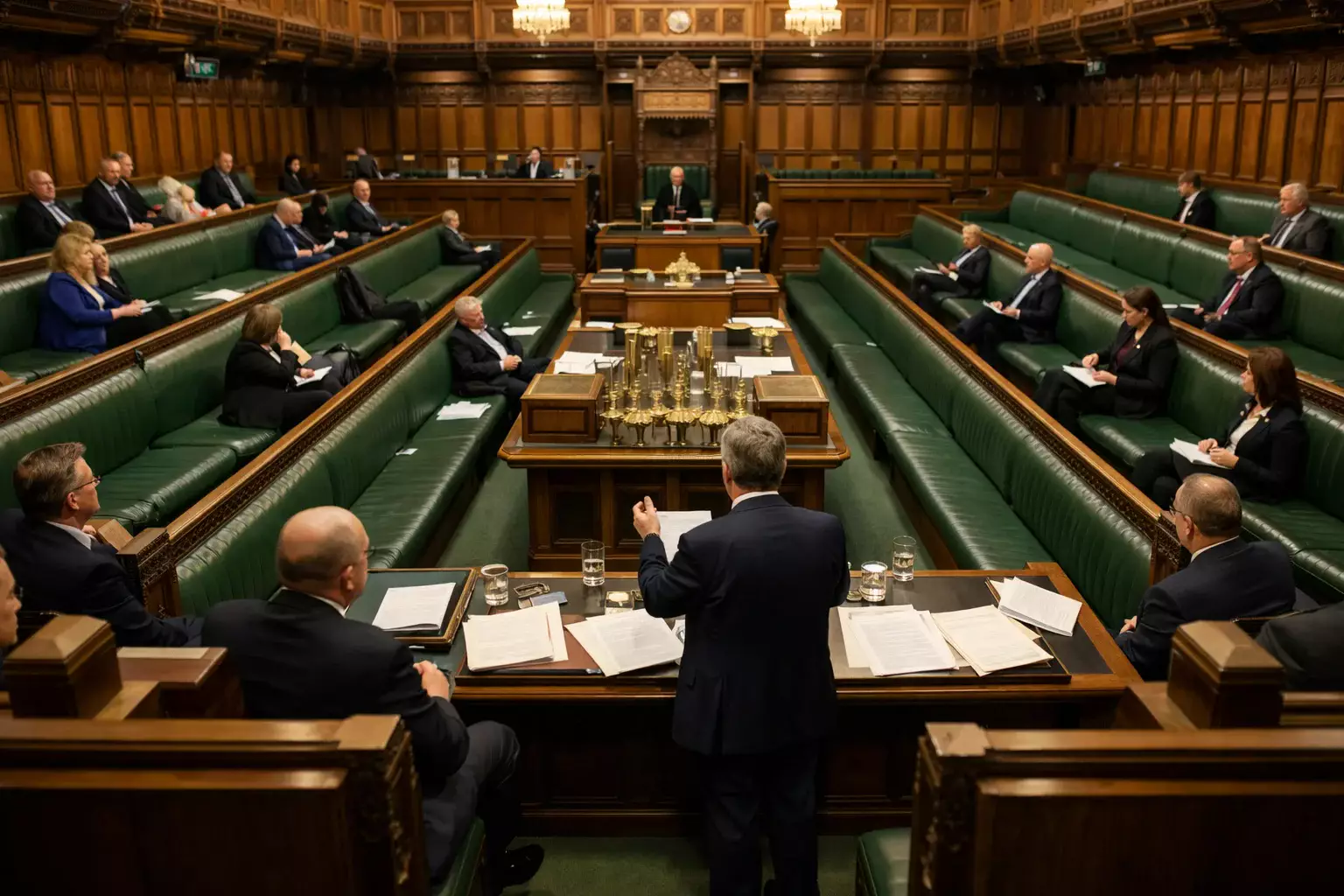
During a 2019 debate in the House of Commons, MPs were presented with specific figures. A statutory levy of 1% on the gross turnover of greyhound betting would generate approximately £11.6 million per year for welfare and prize fund purposes. A levy of 1.5% would generate £17.5 million. Either figure would represent a significant increase over the current voluntary income of £7.3 million and would provide the stable, predictable funding base that the sport’s welfare strategy requires.
The case for a statutory levy rests on three arguments. First, that the voluntary arrangement is demonstrably failing — income is declining and is now less than half its historical peak, with no indication that the trend will reverse. Second, that bookmakers profit substantially from greyhound betting without bearing a proportionate share of the welfare costs their product generates — a dog that runs six days a week at Monmore creates revenue for every bookmaker carrying the SIS feed, but the welfare costs of that dog’s career are funded primarily by the track and the voluntary levy. Third, that the welfare improvements achieved since 2018 — record-low injury rates, near-elimination of economic euthanasia — are at risk of reversal if funding continues to decline. A statutory levy would remove the uncertainty and create a funding floor below which the sport’s welfare provision cannot fall.
What the Bookmakers and the GBGB Say
Bookmakers resist a statutory levy with a set of well-rehearsed arguments. They contend that they already support greyhound racing through multiple channels: BAGS contracts, SIS broadcasting fees, media rights payments, and the voluntary levy itself. They argue that a statutory levy would amount to double taxation on an activity that is already heavily regulated and that adding a mandatory charge would reduce their margins, potentially leading to reduced investment in the greyhound product or even withdrawal from the market.
The bookmakers also point to the experience of horse racing, where the statutory levy has not prevented disputes over rates, distribution, and the adequacy of funding. If a statutory mechanism cannot resolve the funding question in horse racing, the argument goes, it will not resolve it in greyhound racing either. They also note that online bookmakers, who increasingly dominate the market, have no physical presence at the tracks and would resist being made to fund an industry whose product they carry as one option among hundreds.
GBGB and the broader racing industry take the opposite view. They argue that the voluntary arrangement leaves the sport dependent on the goodwill of companies whose primary obligation is to their shareholders, not to the welfare of racing greyhounds. The industry wants a statutory levy because it would provide predictability — a known income against which long-term welfare commitments can be planned and funded. Without it, the sport’s welfare infrastructure is built on a financial foundation that is visibly eroding.
The debate remains unresolved, and there is no current indication that the UK government intends to legislate. For Monmore and every other GBGB track, the practical reality is a continuation of the voluntary system, with all the uncertainty that entails. The levy question is the single most important financial issue facing British greyhound racing, and its resolution — or continued absence of resolution — will shape the sport’s capacity to sustain the welfare improvements it has achieved over the past six years.
The wider context is set out in our Monmore greyhound results guide.
