
The Puppy Derby: Where Monmore’s Next Stars Emerge
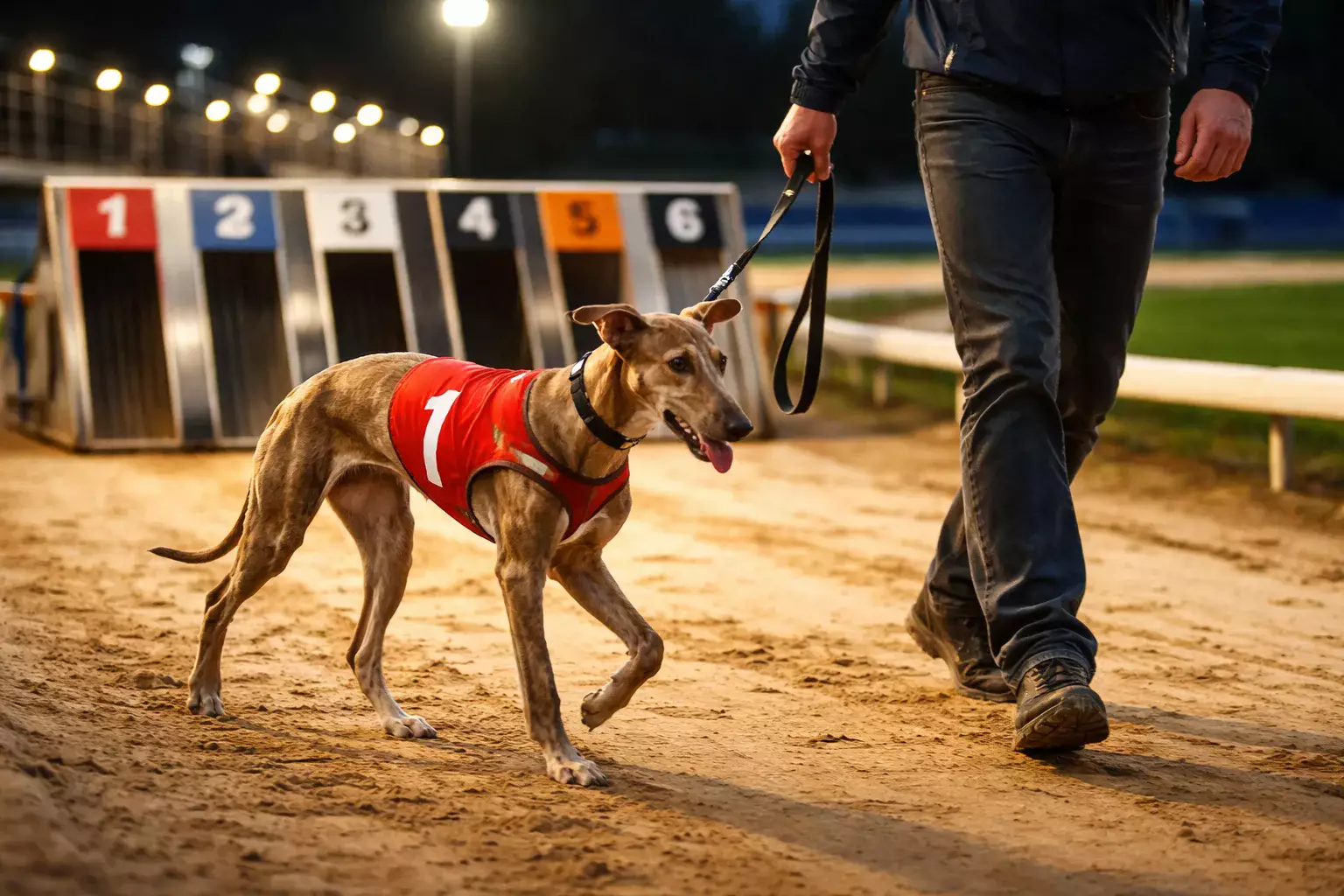
Every sport needs a competition that identifies talent before it matures. In horse racing, there are the Classic trials. In football, the youth cup. In greyhound racing at Monmore Green, there is the Puppy Derby — the annual competition that gives young dogs their first taste of high-stakes racing and gives punters an early look at the names that will dominate the graded cards for the next two years.
The Puppy Derby is open to greyhounds under a specific age cutoff, typically dogs born in the calendar year that makes them roughly 18 to 24 months old at the time of competition. These are not veterans with a hundred races behind them. They are dogs at the beginning of their careers, still learning the track, still developing their running style, and still capable of dramatic improvement — or equally dramatic regression — from one week to the next. That volatility is what makes Puppy Derby results so interesting and so treacherous for anyone trying to bet on them.
At Monmore, the Puppy Derby is run over 480 metres, the track’s standard distance and the trip that produces the largest volume of comparative data across the calendar. This is deliberate. The competition is not trying to test stamina or specialisation. It is asking a simpler question: which young dog is the fastest right now? The answer matters, because the winner and the finalists will carry the form forward into graded and open racing for the rest of the season.
From the Midland Puppy Championship in 1943 to Today
The lineage of puppy racing at Monmore stretches back further than most people realise. Monmore Green opened on 11 January 1928, drawing 10,000 spectators to its first meeting, and the stadium was hosting puppy competitions within its first two decades of operation. The Midland Puppy Championship, first run in 1943, established the venue as a proving ground for young dogs during a period when the sport was booming and dozens of tracks competed for the best entries.
The wartime origins of the competition are worth noting, because they reflect a broader truth about greyhound racing in Britain: the sport thrived when other entertainment options were limited, and puppy competitions were part of the draw. Trainers wanted to showcase their best young prospects, track managers wanted to fill cards with exciting races, and the public wanted something to watch and wager on during difficult years. The Midland Puppy Championship served all three purposes.
Over the decades, the competition evolved. Names changed, sponsorship arrangements shifted, and the format was periodically updated to reflect changing standards. What remained constant was the core concept — a multi-round competition for young greyhounds run at Monmore over the standard trip. The modern Puppy Derby inherits that tradition, and the Ladbrokes sponsorship that has attached to it at various points gives the event a commercial visibility that most track-level competitions lack. When a high-street bookmaker puts its name on a race, the result reaches a broader audience than the track’s regular following, and that exposure can define a young dog’s reputation before it has run twenty races.
The historical continuity is part of what makes the Puppy Derby a genuine institution at Monmore rather than a marketing exercise. Trainers who sent dogs to the Midland Puppy Championship in the 1950s would recognise the bones of the competition that runs today. The track is different — the 1996 redesign changed the circuit — but the principle is the same: put the best young dogs together and see who comes out on top. The competition has survived economic downturns, the contraction of the track network, and the wholesale restructuring of how greyhound racing is funded and broadcast. That durability says something about its place in the sport.
Current Format and Prize Structure
The modern Puppy Derby at Monmore follows a knockout progression: heats, semi-finals, and a final. The heats are typically staged across one or two evening meetings, with six dogs per race and the leading finishers progressing. The semi-finals narrow the field further, and the final brings the surviving six together for a single decisive race over 480 metres.
Prize money for the Puppy Derby final is meaningful at track level but modest by the standards of national Category One competitions. This is normal — puppy events are not expected to rival the prize funds attached to open-age competitions like the Golden Jacket or the Winter Derby. What the Puppy Derby offers instead is exposure and a competitive marker. A young dog that wins the Puppy Derby at Monmore has beaten the best of its age group on a tight, demanding circuit, and that result carries weight with trainers and form analysts for months afterwards.
The 480 m distance is critical to the competition’s analytical value. Because almost every dog at Monmore will race over 480 m at some point in its career, the Puppy Derby final time provides a direct benchmark against which future performances can be measured. If a dog wins the Puppy Derby in 29.05 and is still running that time six months later, its form is holding. If it has improved to 28.70, something interesting is happening. If it has slowed to 29.50, questions arise about fitness or the competition catching up. That longitudinal tracking is only possible because the distance is the track’s workhorse trip.
Notable Winners and Their Career Paths
The Puppy Derby’s real value as a competition lies in what happens after the final. Winners and finalists disperse into the graded system and, in some cases, into open-race company at Monmore or at other tracks. Tracking their progress is one of the more rewarding exercises in greyhound form analysis, because it tests a question that applies to every young athlete in every sport: does early promise translate into sustained quality?
At Monmore, the answer has been mixed in the way that makes the sport interesting rather than predictable. Some Puppy Derby winners have gone on to dominate the A-grade cards for years. Others have peaked early and settled into mid-grade careers, their precocious speed overtaken by dogs that matured more slowly. The pattern is not dissimilar to puppy competitions in other greyhound jurisdictions — youth events reward early pace and early development, which does not always correlate with long-term ability.
What the Puppy Derby does reliably produce is a cohort of dogs that Monmore regulars get to know early. Blastoff Josifa, who went on to set the Monmore record for graded starts with 203 runs and 49 career wins, is the kind of dog that first made a name in the track’s competitive racing before building a career of remarkable consistency. Not every Puppy Derby finalist will achieve that longevity, but the competition gives them a platform to announce themselves — and gives punters a first look at the dogs that will shape the racecard for seasons to come.
For anyone following Monmore results with an analytical eye, Puppy Derby week is worth marking on the calendar. The results are among the most forward-looking data the track produces, and the names that emerge from the final have a habit of reappearing in the results pages long after the trophy has been handed out.
The wider context is set out in our Monmore greyhound results guide.
